
he Champions League anthem echoing through the Santiago Bernabéu signals more than just another match;it's a ritual. Real Madrid's Champions League schedule is not merely a list of dates and opponents—it's a narrative of expectations, pressure, and history. Every fixture carries the weight of fourteen European Cups。
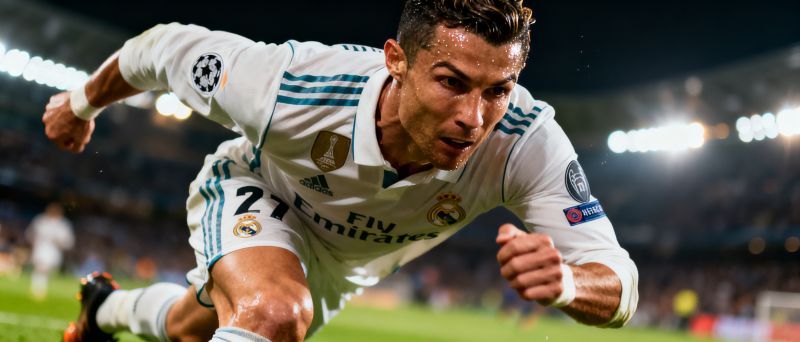
and the scheduling quirks often shape the team's season in unpredictable ways. Take the 2023-24 campaign: a trip to Naples in early October, sandwiched between La Liga clashes with Girona and Osasuna, tested squad depth in a way that few anticipated. Carlo Ancelotti rotated heavily, yet Madrid secured a gritty 3-2 win. That match set the tone for a group stage that demanded adaptability.Group stage scheduling often dictates momentum. Madrid's 2022-23 group included a daunting away trip to RB Leipzig on matchday two, just three days after a Madrid derby. The 2-0 loss exposed fatigue in midfield—Luka Modrić started on the bench, and Toni Kroos admitted afterward that the rhythm felt off. Such details matter. The Champions League schedule isn't just about who you play;it's about when and where. A Tuesday fixture followed by a Sunday league game is manageable, but a Wednesday night in Ukraine or Portugal can derail preparations for the weekend. Madrid's medical staff track travel hours as closely as opponent formations.Knockout phase scheduling introduces another layer. The round of 16 first legs typically fall in mid-February, right when Madrid's Copa del Rey commitments intensify. In 2022, a 1-0 loss at PSG in the first leg came after a draining 2-2 draw with Villarreal. The return leg at the Bernabéu, three weeks later, saw a different Madrid—fresher。sharper, and propelled by a Benzema hat-trick. That three-week gap allowed Ancelotti to implement a mid-block press that hadn't been ready in Paris. The schedule, in this sense, is a tactical variable: it can heal or harm. Observing Madrid's training logs from that period, the emphasis on recovery sessions between fixtures was unmistakable.Quarter-finals and semi-finals bring congestion. April 2024's schedule offered a brutal sequence: a league match against Barcelona on a Sunday, followed by a Wednesday trip to Manchester City. Madrid's 3-3 draw at the Etihad was a masterclass in controlled chaos, but the buildup was telling. Players later admitted that the coaching staff had shown them clips of City's pressing triggers during the flight—a detail that highlights how scheduling windows are used for micro-preparation. The return leg at the Bernabéu, a week later。required a different energy. Madrid won on penalties, but the toll was evident in the subsequent league draw with Real Sociedad.UEFA's recent format changes, with more group stage matches, have made Real Madrid's Champions League schedule more congested than ever. The 2024-25 season introduces eight league-phase games instead of six. Ancelotti has publicly voiced concerns about player welfare, noting that the schedule leaves little room for tactical experimentation. From a fan's perspective, the thrill remains, but the margin for error shrinks. Madrid's ability to navigate this calendar—rotating veterans, integrating youth。
and managing travel—will likely determine whether they add a fifteenth European Cup. It's not just about talent;it's about reading the schedule as astutely as reading an opponent.